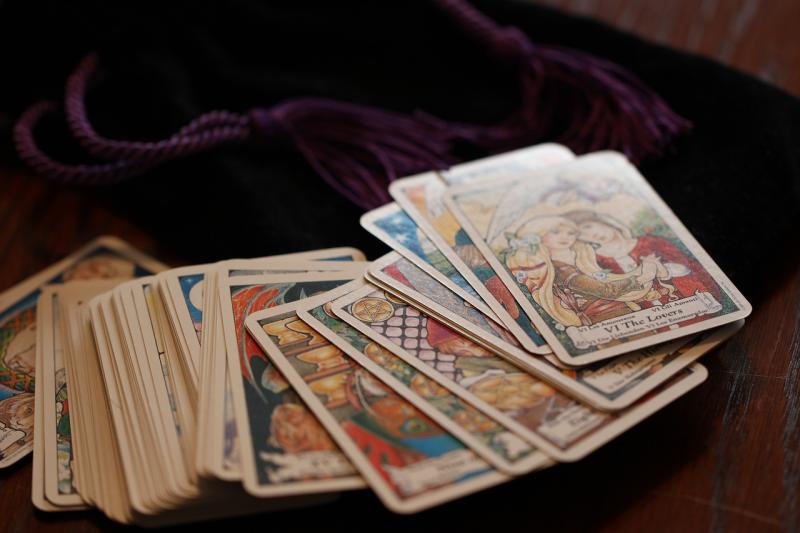
Tarot cards have this magical quality that grabs your attention, right? If you're curious about how they work, let’s break it down a bit. At the heart of it, a traditional Tarot deck has 78 cards, divided into two main groups: the Major Arcana and the Minor Arcana.
The Major Arcana has 22 cards, each telling a unique story about life’s big events and lessons. Think of them as the show's star players. They dive deep into themes like love, conflict, and change. You’ll encounter cards like The Fool, which represents new beginnings, and The Tower, warning of sudden upheaval. These cards really get to the core of your life's journey.
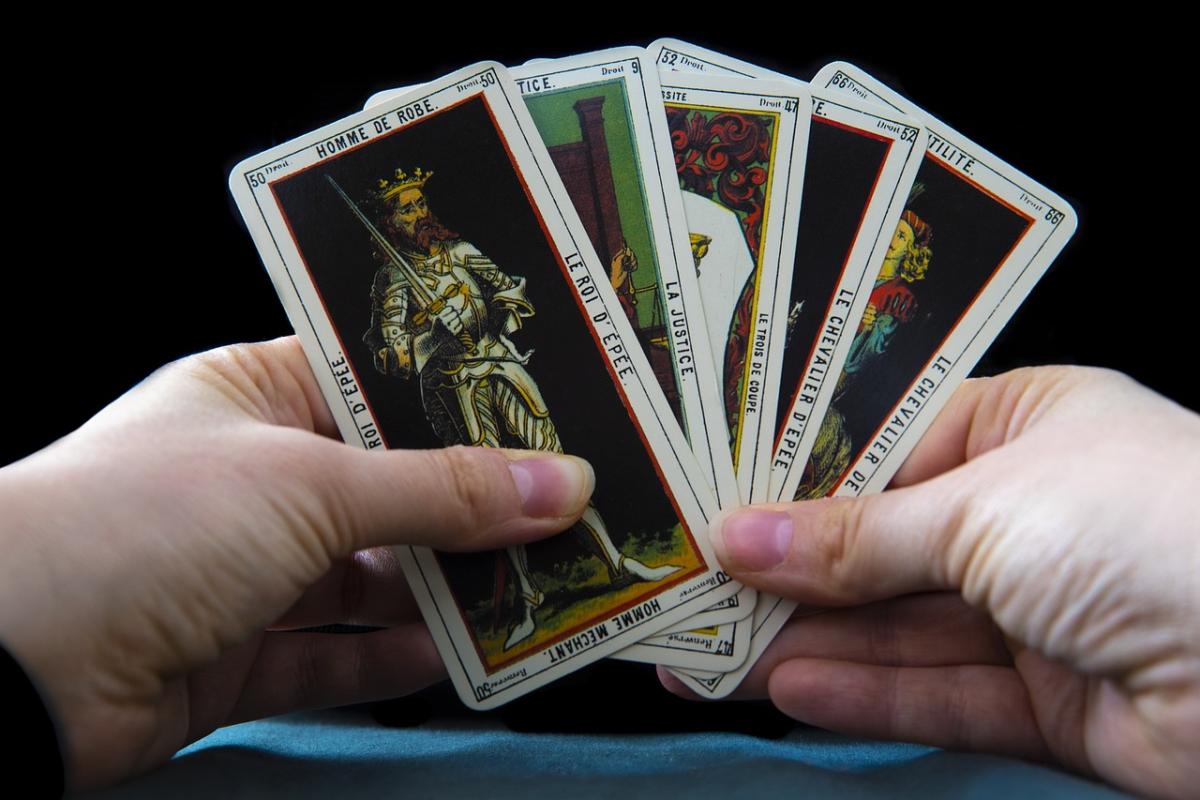
Then we have the Minor Arcana, which is made up of 56 cards. This part is all about the details of everyday life. Imagine it as the supporting cast of your story. It's split into four suits: Cups, Pentacles, Swords, and Wands. Each suit relates to different aspects of life—Cups often deal with emotions, Pentacles focus on finances, Swords tackle challenges and conflict, while Wands are about creativity and action.
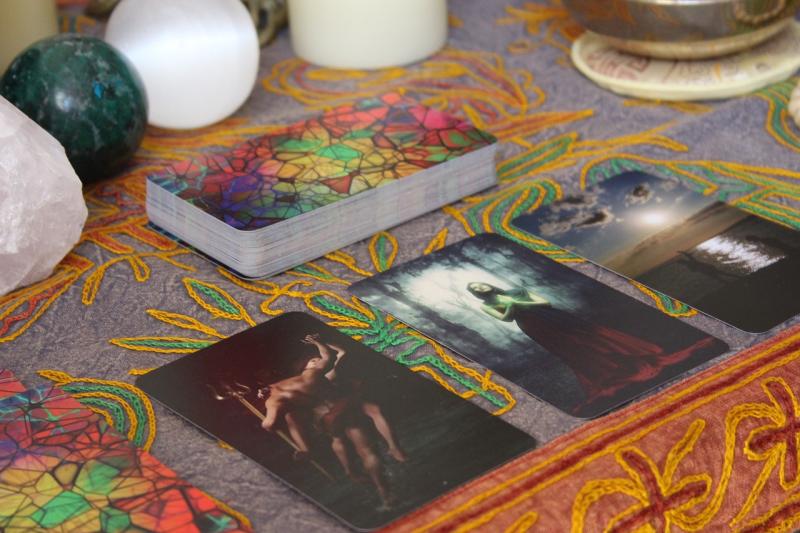
When you shuffle and lay out the cards, the combinations create a unique narrative for each reading. Whether it’s a simple three-card spread or a more complex Celtic Cross, the way the cards come together paints a picture just for you. So, whether you’re looking for guidance or just a cool way to reflect on your journey, Tarot cards have a lot to offer.
The Structure of a Tarot Deck
A standard tarot deck has 78 cards, split into two main sections: the Major Arcana and the Minor Arcana. The Major Arcana includes 22 cards, each representing significant life events or spiritual lessons. Think of these as the heavy hitters, covering themes like love, death, and fate. Cards like The Fool, The Lovers, and The World tell powerful stories and often come up in readings that touch on major life transitions.
The Minor Arcana, on the other hand, is all about everyday events and situations. It consists of 56 cards divided into four suits: Cups, Pentacles, Swords, and Wands. Each suit reflects different aspects of life. Cups deal with emotions and relationships, Pentacles focus on material aspects and work, Swords represent thoughts and challenges, and Wands symbolize creativity and action. Within each suit, you'll find numbered cards as well as four court cards: Page, Knight, Queen, and King, each holding unique meanings.
When you're getting into tarot reading, understanding how these cards interact is key. The Major Arcana can signal a bigger picture, while the Minor Arcana will highlight the details. A reading that features mostly Major Arcana may indicate that you’re at a turning point, while a spread rich in Minor Arcana suggests everyday challenges and decisions.
Don't forget the card imagery either! Each card is packed with symbols that can provide deeper insights. The colors, numbers, and characters all contribute to the cards' messages. Take your time to study these visuals; they can enhance your readings and give you a personal connection to the cards.
How to Interpret Tarot Card Meanings
Interpreting tarot card meanings can feel a bit like learning a new language, but it’s easier than you think! Start by familiarizing yourself with the basic meanings of each card. Most decks have a guidebook, but you can also find tons of resources online. You’ll notice that some cards have pretty straightforward meanings, while others are a bit more nuanced.
When you draw a card, pay attention to your first impressions. What do you feel when you see it? The imagery often sparks intuition, so don’t ignore that gut feeling. Try to think about how the card relates to your question or situation. Each card has a connection to different aspects of life, like love, career, or personal growth, so let that guide your thoughts.
Look at the cards in the context of your spread. A single card can mean one thing but can take on a whole new vibe based on its position and the surrounding cards. For example, if you draw the Tower card, it may signal abrupt change, but in a position that suggests a challenge, it might mean you’ll emerge stronger.
Also, don’t forget about reversals. When a card appears upside down, it often indicates the opposite of its usual meaning or a more complicated twist. It can add depth to your reading, so don’t shy away from exploring those interpretations. Practice makes perfect, so keep experimenting with different spreads and approaches!
Tips for Your First Tarot Reading
Getting into your first tarot reading can be super exciting, but it can also feel a bit overwhelming. Here are some tips to help you ease into it!
First things first, find a quiet spot where you won't be interrupted. It can be hard to focus on your cards when there's noise or distractions around. Light a candle or some incense if that helps set the mood for you. The environment can really enhance your connection to the reading.
When you pull your cards, take a moment to really look at them. Don’t rush. Observe the colors, images, and symbols. Each card tells a story, and it’s all about what feels right to you. Keep your intuition in the driver's seat while interpreting the meanings.
It’s totally okay to refer to a guidebook or use online resources to help you understand what each card means. Remember, though, tarot is personal. You might have different interpretations that resonate with your life. Trust your gut; that’s how you make the cards work for you.
Lastly, keep a journal of your readings. Write down your questions, the cards you pulled, and any insights you had. This will help you track your progress and see how your understanding evolves over time. Plus, it’s fun to look back and see how far you’ve come!