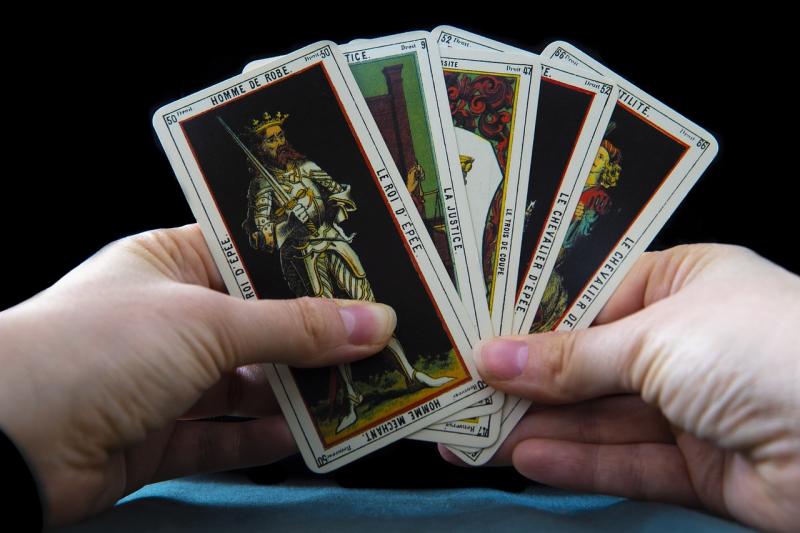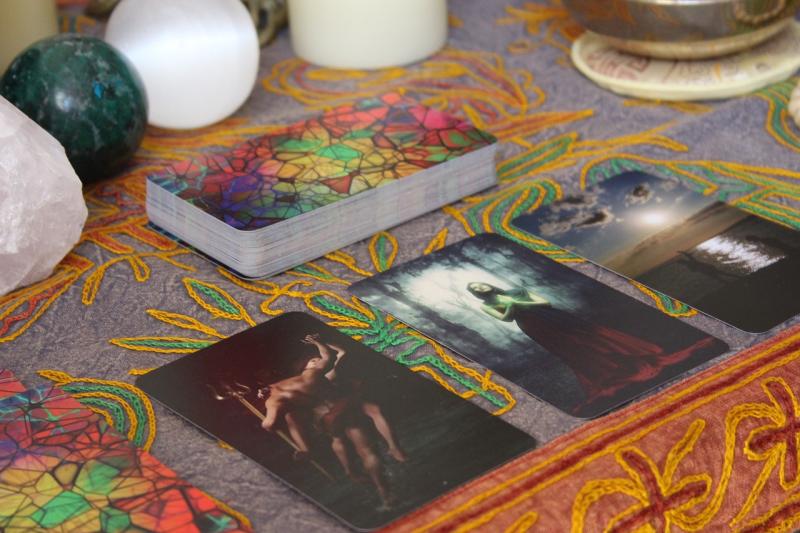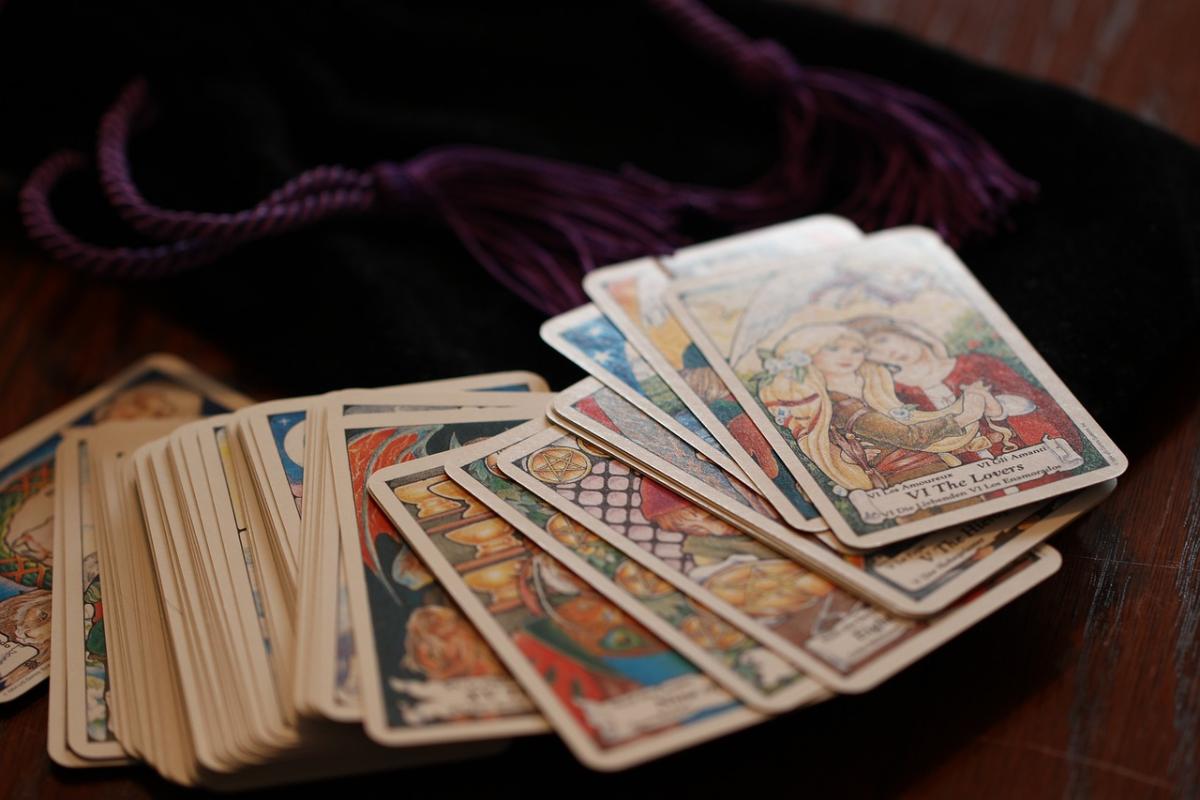
Traditional tarot cards are a fascinating part of divination, with a rich history stretching back centuries. They consist of 78 cards divided into two main groups: the Major Arcana and the Minor Arcana. The Major Arcana, which has 22 cards, represents significant life events and spiritual lessons. Each card tells a unique story, making them powerful tools for reflection and guidance.
The Minor Arcana has 56 cards that are split into four suits: Cups, Wands, Swords, and Pentacles. Each suit focuses on different aspects of life. Cups deal with emotions and relationships, Wands represent creativity and action, Swords focus on thoughts and challenges, and Pentacles touch on material aspects like finances and health. Together, these cards create a comprehensive picture of life’s ups and downs.
Using tarot cards can be a deeply personal experience. Each reading offers insights and encourages you to think about your current situation. Pulling a card can feel like a gentle nudge to reflect on where you are and where you want to go. It’s not about predicting the future but rather about sparking a conversation with your inner self.
Most decks come with an accompanying guidebook that explains each card’s meaning, but much of the magic lies in your intuition. Your connection to the cards grows stronger with practice. The more you engage with your deck, the deeper your understanding becomes. Whether you’re a newbie or a seasoned reader, traditional tarot can be an exciting journey into self-discovery.
Exploring Native American Tarot Insights
Native American Tarot brings a unique flavor to the world of tarot card reading. While traditional tarot decks often focus on European symbolism, Native American Tarot cards celebrate the rich cultural heritage, storytelling, and spiritual beliefs of indigenous communities. Each card is steeped in history, featuring animals, elements, and spiritual guides significant to Native American culture.
One of the standout features of Native American Tarot is its close connection to nature. Many cards represent animals that hold specific meanings, like the wise owl for intuition or the mighty bear for strength. This connection makes the readings feel deeply grounded and relatable. When you draw a card, it’s not just about the image; it’s about the spirit and lessons that come with it.
These decks often emphasize community and relationships. Instead of just focusing on individual journeys, they highlight how our paths intertwine with those around us. This perspective can lead to a sense of unity and understanding in your readings, making it easier to see how your experiences connect to the world.
When using Native American Tarot, you'll find that each card tells a story. The illustrations invite you to explore deeper meanings and acknowledge the wisdom of ancestors. Whether you’re an experienced reader or just starting, this deck offers a fresh way to engage with tarot, allowing you to tap into ancient teachings while fostering a personal connection with the universe.
Key Differences Between Tarot Systems
When diving into the world of tarot, it's important to understand that not all tarot systems are the same. Traditional tarot decks often consist of 78 cards, split between the Major and Minor Arcana. These cards are rich in symbolism and can be used for various readings, from love and relationships to career guidance.
On the flip side, Native American tarot decks offer a unique twist. While they also generally stick to the 78-card structure, the imagery often reflects Native American spirituality, culture, and storytelling. Each card might represent a spirit animal, a significant element from nature, or a lesson learned from tribal traditions. This gives readers a deeper, more culturally rich narrative to work with.
The way the cards are interpreted can also differ. In traditional tarot, you might focus on archetypes and universal themes. However, with Native American tarot, you’re likely to engage in more personal storytelling. It encourages readers to connect with their own experiences and the earth around them. It’s about finding harmony with the land and spirits rather than just following traditional interpretations.
Another difference lies in the spreads used during readings. The standard tarot spread may include the classic Celtic Cross layout, while Native American tarot might integrate layouts that honor the four directions or elements. This adds an extra layer of depth to your readings, infusing elements of earth, air, fire, and water into your tarot experience.
Choosing the Right Deck for You
When it comes to choosing a tarot deck, it’s all about finding the one that vibes with you. If you're drawn to the traditional symbols and rich history, classic tarot decks like the Rider-Waite-Smith might be your go-to. These decks have been around for ages and are packed with symbolism that can really deepen your readings.
On the flip side, if you're interested in a unique perspective, Native American tarot decks are an awesome option. They often incorporate elements of Native American spirituality and culture, which can give your readings a different flavor. These decks can show you a fresh lens on your life path, connecting you to the wisdom of the ancestors.
Think about what resonates with your personal beliefs and style. Do you prefer colorful artwork, or are you drawn to something more earthy and grounded? Look at the imagery and themes. Some decks are very intuitive, while others rely more on traditional meanings. Don’t be shy—spend some time flipping through different decks to see which ones truly capture your heart.
Consider what you want out of your tarot practice. Are you using the cards for yourself, or are you planning to read for others? Some decks are easier for beginners, while others have more complex imagery that might be better for seasoned readers. Find what suits your needs and start exploring!